



It’s time to delve into the previous with this helpful information to Tudor London. These are the well-known Tudor architectural spots which were left (almost) undisturbed.
Phrases by Karen Olney
From foul-smelling streets and gory beheadings, to stately houses and outrageous indulgence; the Tudors had been something however boring.
Spanning from 1485 to 1603, Tudor London was a captivating and dynamic place, stuffed with contrasts and contradictions. London was a metropolis of nice wealth and horrible poverty, the place industrial and commerce flourished alongside social upheaval.
Each avenue and constructing in London have tales to inform, and Tudor structure isn’t any exception.
Prepare to find what on a regular basis Tudor life was actually like within the capital, and the unbelievable structure that also stands as we speak.
What was London Like within the Tudor Occasions?
In the event you suppose being a Londoner is hard now, spare a thought for the typical individual dwelling within the metropolis throughout Tudor instances.
Town was cramped and overcrowded, with slender, winding streets and poorly ventilated homes. Illness was rampant, and the typical life expectancy was barely 30 years.
Even the easy issues in life had been robust. Take water, for instance. The residents of London tended to keep away from the clear stuff, because of its excessive ranges of sewage content material. Individuals feared (fairly rightly) that water was harmful and drank weak beer instead- even kids.
On the flip facet, life was fairly good for those who had been royal, rich or a member of aristocracy. In spite of everything, you solely want to take a look at King Henry VIII’s ever-expanding waistline. The wealthy displayed their riches by means of the costly meals and wine they consumed, their extravagant houses, and the colorful garments they wore.
Tudor London witnessed an ideal change in industrial items and commerce, and the town had begun to reap its rewards. Concurrently, tradition and artwork took centre stage, witnessing the emergence of legendary playwrights, together with William Shakespeare.
Well-known Structure from Tudor London
Tudor structure was characterised by half-timbering, distinguished chimneys, steep roofs, high-reaching gables, and tall, slender home windows with pointed arches. It usually had a symmetrical look and is embellished with intricate particulars.
Nonetheless, the mix of timber beams, mud and sticks was a catastrophe ready to occur. And that catastrophe occurred in 1666 when the Great Fire of London tore quickly by means of the town, leaving a devastating path in its wake.
Nonetheless, regardless of a lot of the town burning down, some Tudor structure could be seen throughout the town as we speak. So, strap up your strolling boots and prepare to take a tour of the streets of London.
The Tower of London
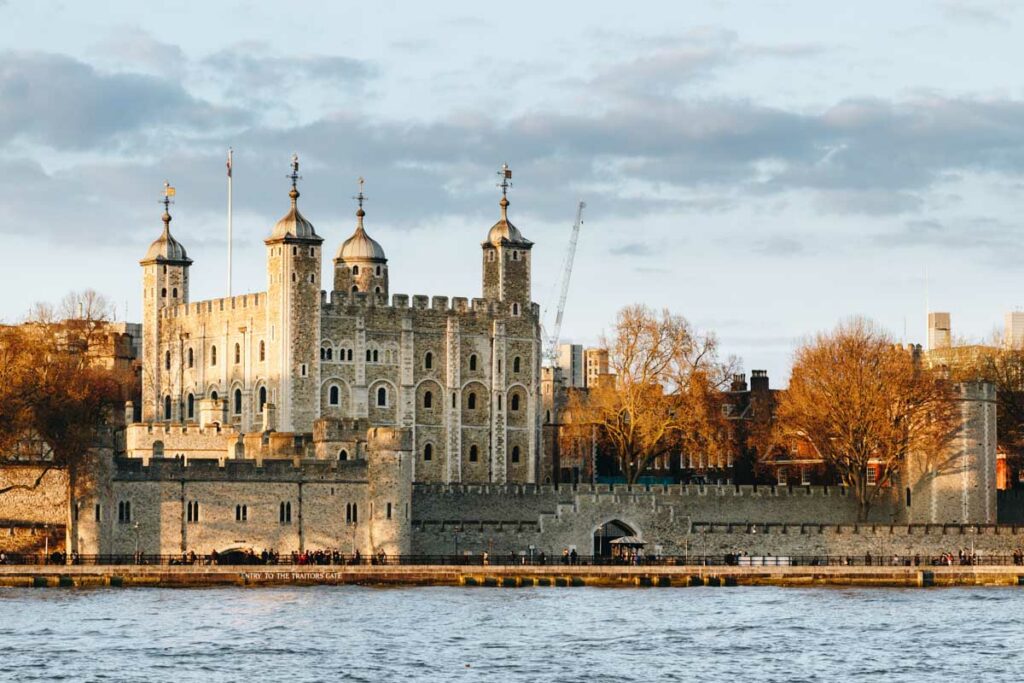
Boy, does the Tower of London have a story or two to inform. Though it wasn’t constructed within the Tudor instances (building started within the 11th century), the Tudors definitely stamped their mark.
Till then, the Tower of London had been a royal palace, guarding regal possessions and even housing a polar bear within the 13th century. However as soon as the Tudors received their arms on it, the long-lasting citadel turned a terrifying web site of imprisonment and execution. Look carefully, and also you’ll spot the determined works of graffiti by prisoners on its partitions.
A number of well-known Tudors spent their final remaining days within the tower. Notably, the ill-fated Anne Boleyn, Catherine Howard and Woman Jane Grey, who had been all executed on Tower Inexperienced right here.
These days, you’ll be able to enter the Tower of London and discover its wealthy and complicated historical past for your self. The house of the Crown Jewels, it’s also rumoured to be one of the haunted locations within the metropolis. Why not take a twilight tour and discover out for your self?
Henry VII Chapel
What do you do when your half-uncle is murdered, and also you’re King of England? Spend a hefty amount of money on a spanking new chapel, in fact.
That is precisely what King Henry VII did. Though to be truthful, he additionally meant for it to be a homage to the Tudor Dynasty and to honour the Virgin Mary. Plus, he did an excellent job.
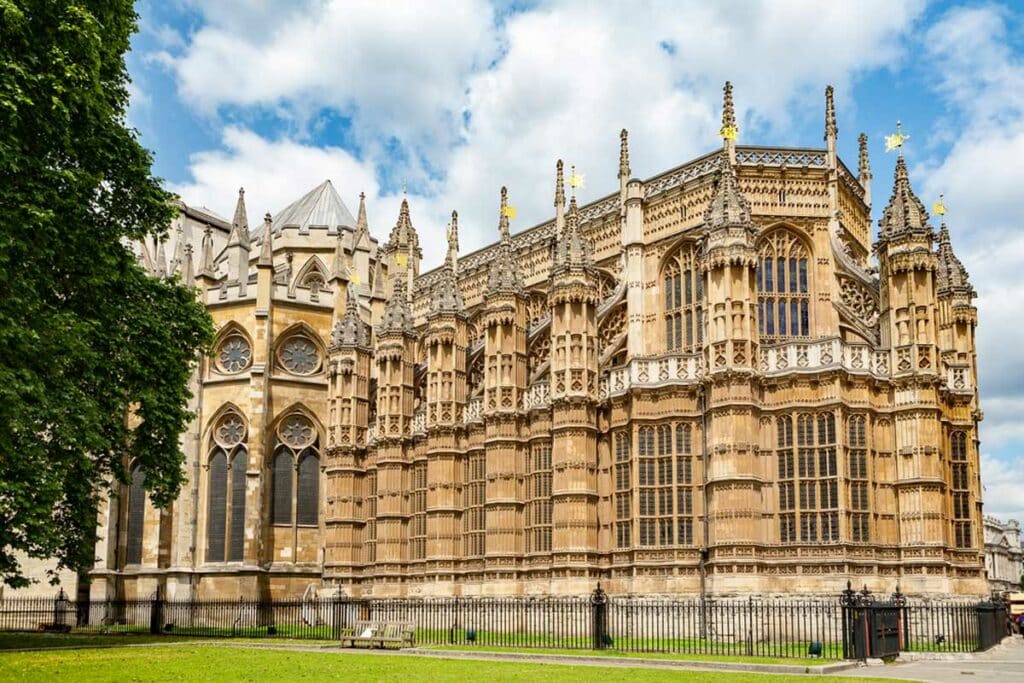
Henry VII Chapel, often known as the Lady Chapel, stands within the jap wing of the spectacular Westminster Abbey. The breathtaking chapel is taken into account one in all England’s best examples of the Perpendicular Gothic architectural fashion.
That includes elaborate decorations, together with stained glass home windows, spectacular ceilings and carved stonework, building price a staggering £14,000. Which is round £9,000,000 in as we speak’s cash.
What’s extra, regardless of being meant for his half-uncle, Henry VI, the chapel turned the ultimate resting place for King Henry VII and his spouse, Elizabeth of York. You’ll be able to even see the sculpted bronze effigies of the couple clasping arms behind the altar.
The Henry VI Chapel is the burial place of 15 Kings and Queens and is a unbelievable instance of structure in Tudor instances.
Hampton Court docket Palace
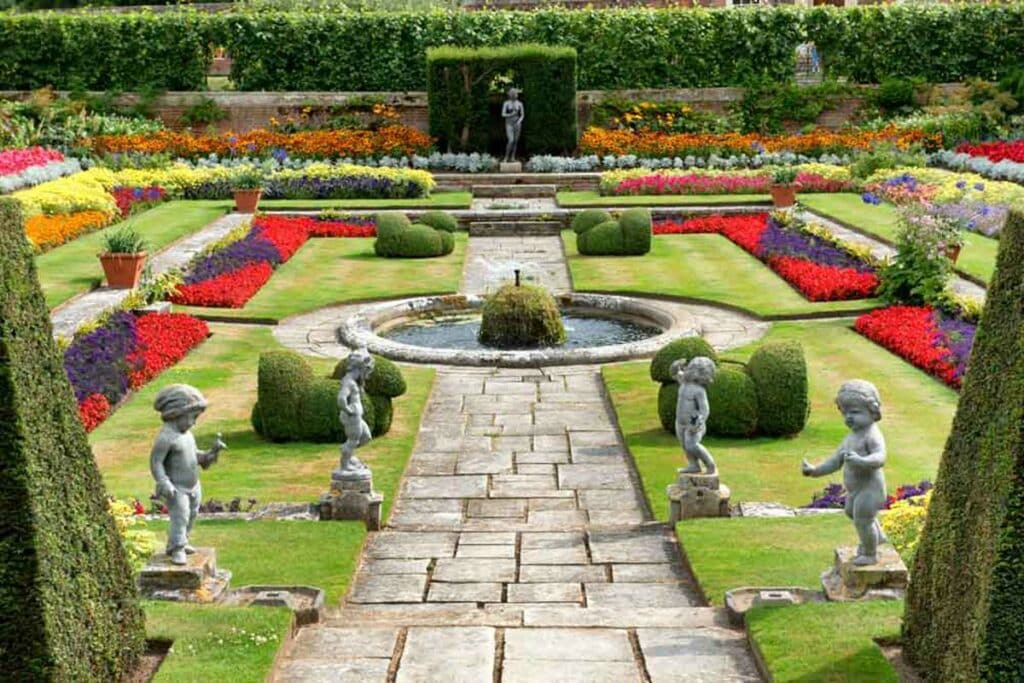
Not many buildings in London rival the architectural fantastic thing about Hampton Court Palace. The huge and spectacular palace attracts guests from far and huge, and it’s simple to see why.
With over 60 acres of award-winning gardens and a palace jam-packed with royal rooms and artwork collections, Hampton Court docket Palace additionally options the intriguing Haunted Gallery, which is rumoured to be haunted by the ghost of Catherine Howard.
The palace was initially constructed within the early 16th century for Thomas Wolsey, a strong cardinal and chief advisor to King Henry VIII. He envisioned a palace so spectacular he would entertain royalty from residence and throughout Europe.
Actually, Wolsey did such an ideal job Henry VIII booted him out and took the palace for himself. The palace was one in all King Henry VIII’s much-loved residences and continued to be a favoured royal residence for the following a number of centuries.
Enable your self loads of time to discover this extraordinary palace. We assure you’ll lose your self in its fascinating historical past and noteworthy panorama.
Eltham Palace
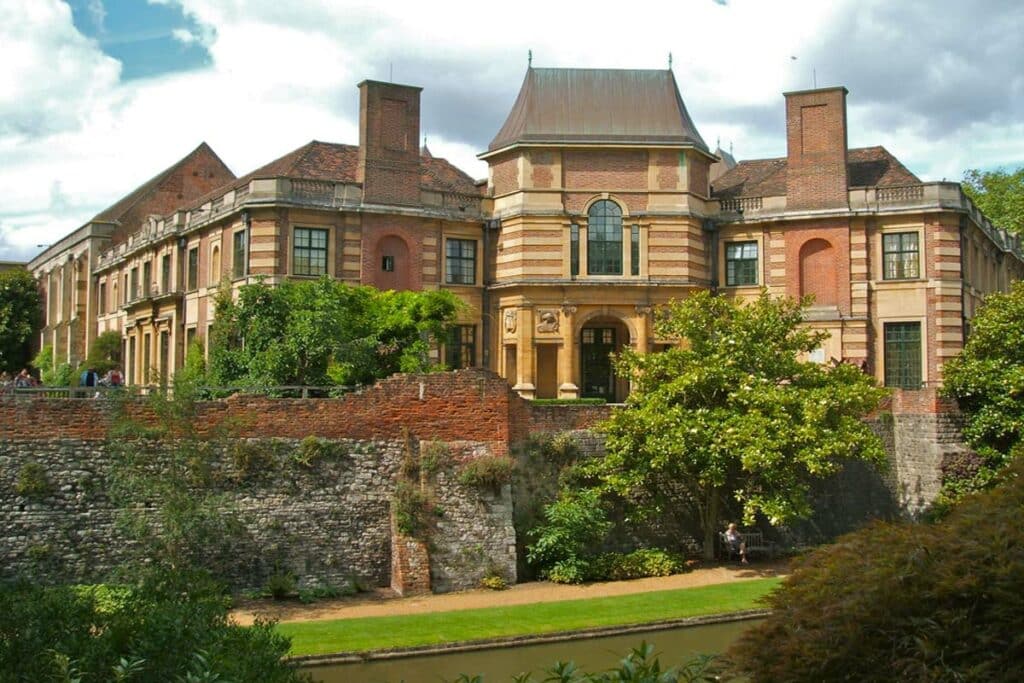
No Tudor tour is full with out seeing the spot the place King Henry VIII grew up. True, Eltham Palace is a bit additional afield than different Tudor buildings, however it’s definitely well worth the go to.
Situated within the Royal Borough of Greenwich, Eltham Palace was as soon as a medieval palace and served as a residence for a number of monarchs.
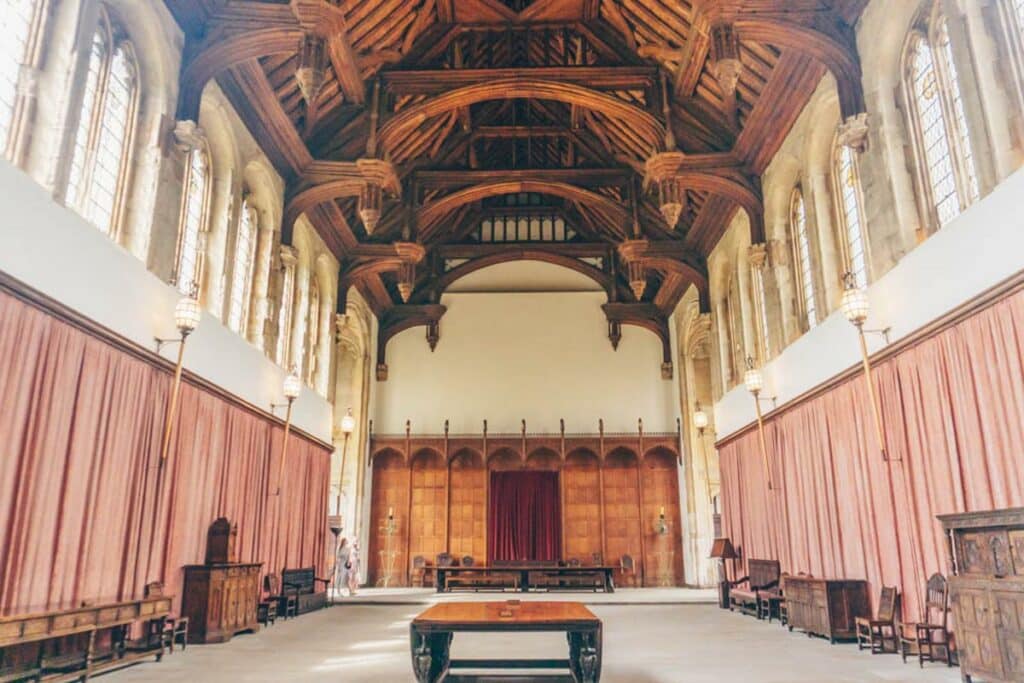
The traditional constructing options gorgeous gardens, a Nice Corridor and a sequence of superbly embellished chambers, together with the Chapel Royal and the King’s Bed room. Regardless of its grandeur, it was finally deserted and fell into disrepair.
Throughout the starting of the 20th century, the palace was restored and is now a well-liked customer attraction, internet hosting guided excursions and occasions all year long.
Sutton Home
Fancy a glimpse into the historical past of London’s East Finish? Sutton House in Hackney is likely one of the oldest surviving Tudor mansions, and it’s a captivating discover.
Sir Ralph Sadleir, an in depth aide of Thomas Cromwell, initially owned this three-storey Tudor home in London. It was one of many few residences constructed from brick, an indication of wealth on the time, and was referred to as ‘the bryk home’.
Right here, you’ll be able to step again in time and envision life as a rich Tudor. There are superbly preserved interiors to discover, from the Tudor Kitchen to the Nice Chamber and a historic courtyard. Simply watch your again – that is one other spooky hang-out and seems in a 2007 episode of ‘Most Haunted’.
Staple Inn
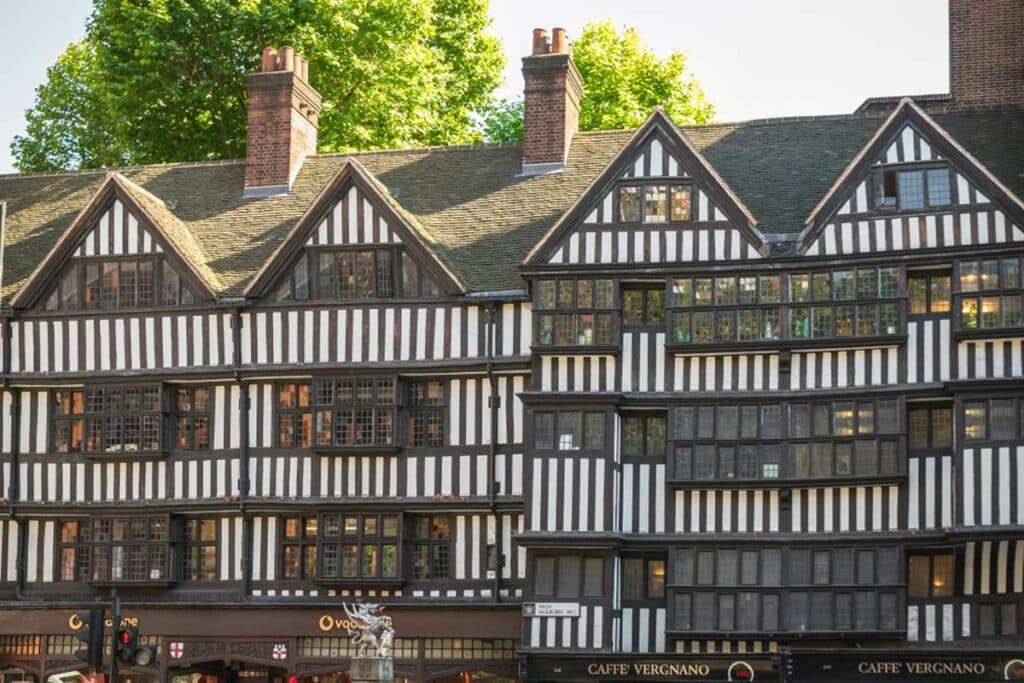
Staple Inn is a putting Grade I listed constructing in Holborn. It was constructed within the 16th century and is likely one of the metropolis’s few surviving examples of Tudor structure.
Initially used to weigh wool (sure, that was really a factor again then, because of Edward I’s 1275 wool tax), Staple Inn is now owned by the Institute of Actuaries.
The gorgeous black and white façade, with its iconic Tudor-style timber body design, stretches throughout a number of outlets and eating places. The gorgeous stained glass within the Nice Corridor nonetheless survives to this present day. Fairly a powerful feat because it witnessed The Nice Hearth of London, the Plague and two World Wars.
St James Palace
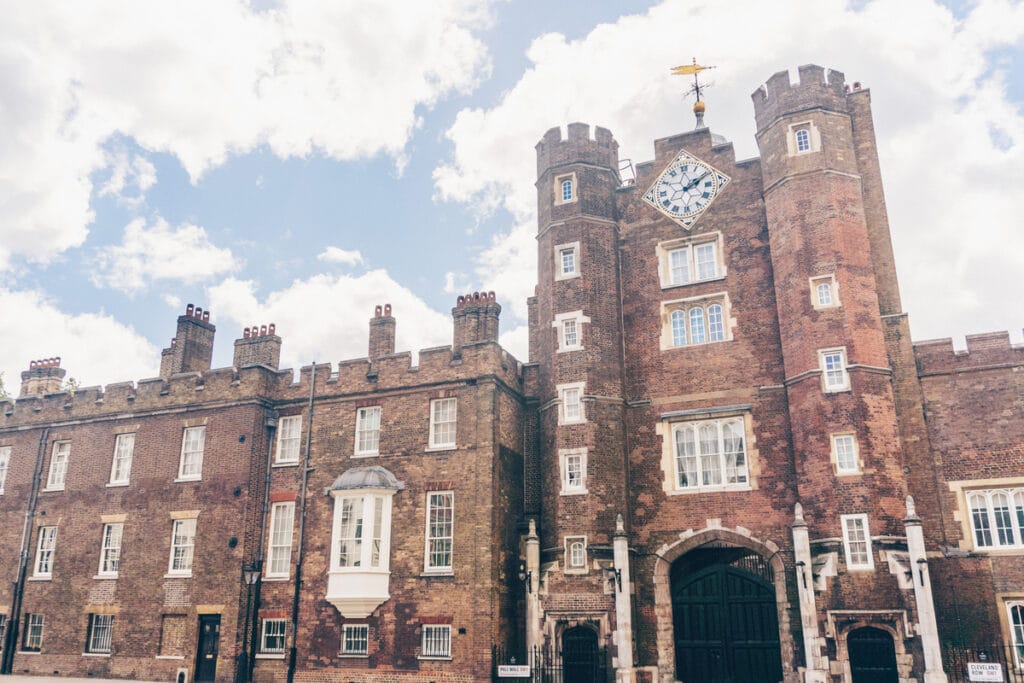
Situated within the coronary heart of London, this royal residence is commonly overshadowed by different royal landmarks. Nonetheless, this red-brick constructing is a worthy cease on the Tudor path.
Lengthy earlier than Buckingham Palace loomed over London, King Henry VIII ordered the development of St James Palace. Inbuilt 1531, the palace was a spot for the king to flee the pressures of courtroom life.
Right here, he spent high quality time along with his second spouse, Ann Boleyn (who was doomed to be sentenced for prime treason and beheading).
These days, St James Palace is a working palace and has been a key a part of a number of vital moments in historical past. As just lately as September 2022, The Accession Council formally met to proclaim King Charles III as monarch.
The constructing is a major instance of Tudor-style structure. Regardless of a fireplace destroying a lot of the palace within the 19th century, elements of the residence nonetheless survive to this present day.
One of the vital iconic constructions that stay is the Nice Gatehouse. With its pink and white stone façades, you’ll be able to even see the initials H&A (Henry and Anne) carved above the doorway arches.
As it’s nonetheless a working palace, sadly, you’ll be able to’t have a nostril inside. However the exterior constructing is unbelievable, and also you would possibly spot a senior royal if you’re fortunate.
Fulham Palace
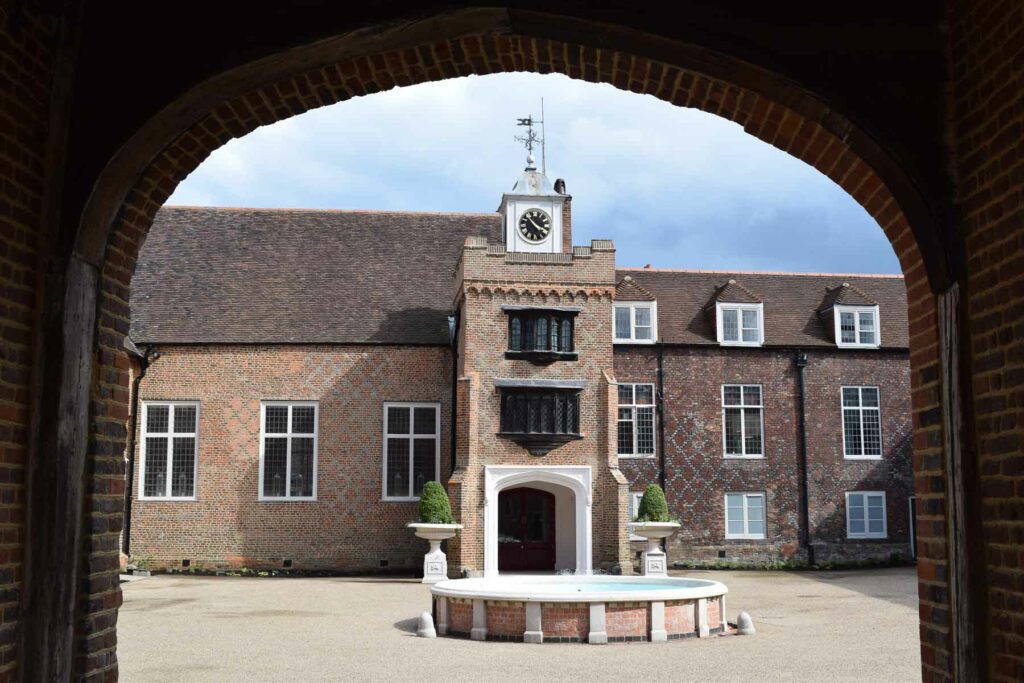
Fulham Palace is a beautiful stately residence that we are able to hint again an unbelievable 1,300 years. With baggage of historical past, the constructing was a summer season retreat for the bishops of London. Later it expanded to turn into a palace, attracting the rich and the royal.
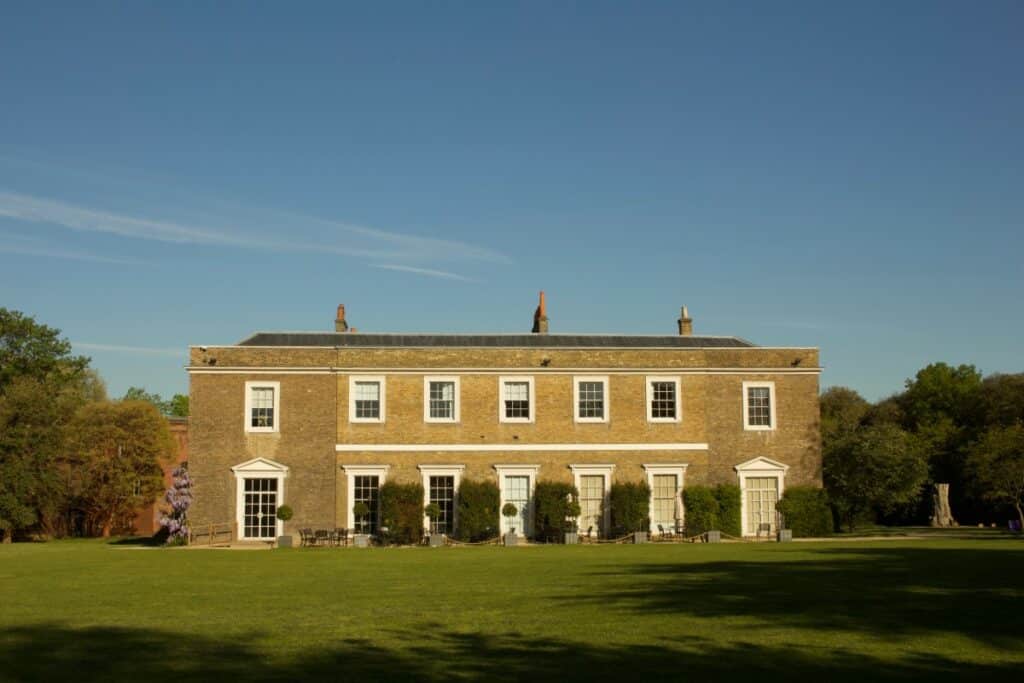
With gorgeous historic rooms, plush gardens, Tudor courtyard and positioned simply by the River Thames, it’s simple to see why it is a well-liked wedding venue. Look carefully, and you may nonetheless see traces of the Tudor period as we speak.
This gorgeous venue has an unbelievable historical past. Actually, archaeological excavations on the 13-acre web site discovered proof going way back to the Neolithic, Iron Age and Roman age.
These days, Fulham Palace is residence to a free museum showcasing its wealthy historical past and boasts an action-packed calendar of occasions.
Map of Tudor London
Author: ” — news.google.com ”
